Choosing the right flooring for your new home can feel like a daunting task, but it doesn’t have to be. From the modern homes in New York to the cozy spaces in Denver and the stylish apartments in Los Angeles, the right flooring can transform any space.
With so many options available, it’s important to consider factors like style, functionality, and budget to find the perfect fit for each room. Whether you’re looking for warmth, durability, or ease of maintenance, this guide will help you navigate the decision-making process and choose the flooring that best complements your home’s design and lifestyle needs.
Plan your budget carefully
The first thing most new homeowners worry about is the budget for renovations or building their new home. The amount they’re willing to spend will directly impact their flooring options. When making this decision, it is important to consider both the cost of materials and installation, as well as the future upkeep of the material you choose.
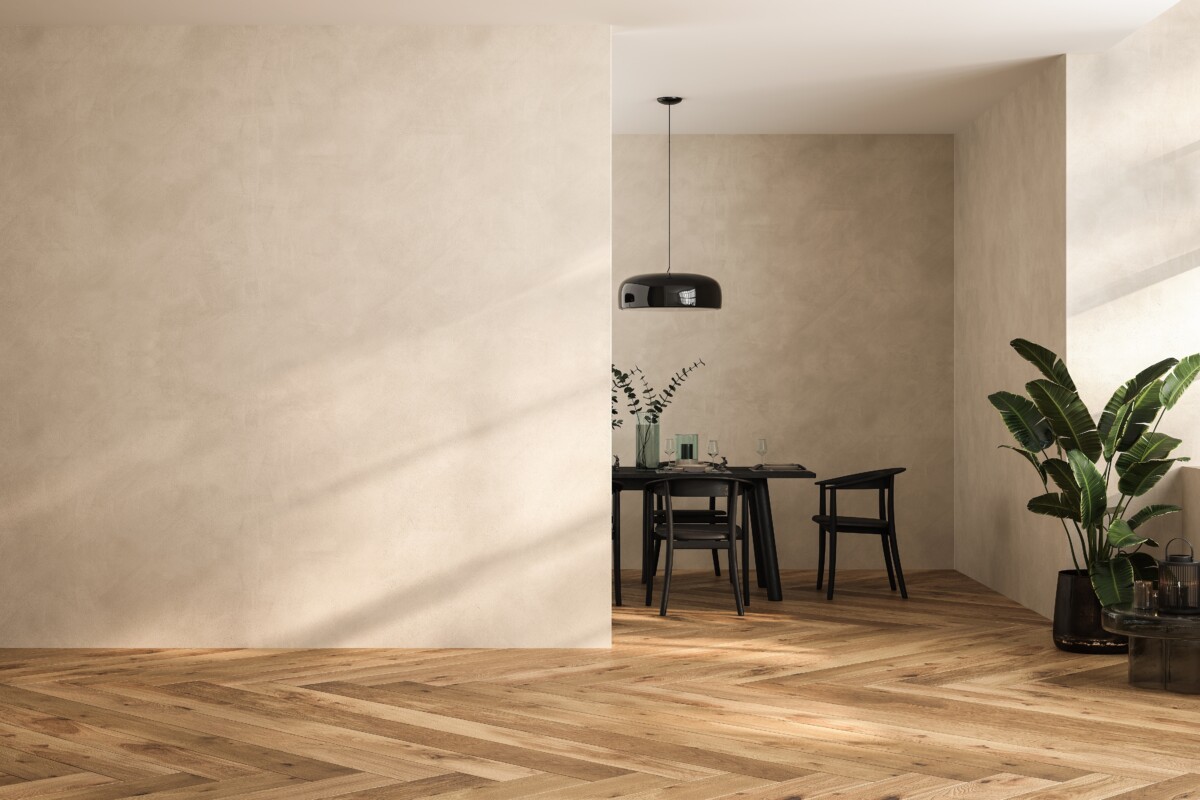
“Hardwood floors are a timeless option that adds beauty and value to any home. Oak and maple are popular choices, priced between $7.00 and $10.00 per square foot, offering durability and style.” Rana El Battal, head office manager at Monarch Custom Homes, says.
“For a more luxurious touch, exotic woods like Brazilian cherry can be more expensive, but they provide unique appeal. Installation costs typically range from $6.00 to $8.00 per square foot. This makes it important to plan your budget carefully. Whether you’re renovating or building, hardwood floors are a long-term investment that can enhance your home’s charm. With a range of options to suit every style, hardwood remains a top choice for savvy homebuyers.”
Consider your needs for durability and functionality
After you determine your budget, consider how your lifestyle needs and household functions will affect your choice in flooring. Different materials offer unique benefits depending on your needs for durability, maintenance, and cost. Prioritizing these factors will help you choose the right option for your home.
“It is essential to consider your needs for durability and functionality when choosing flooring materials.” Rachael Cole, principal designer at Perennial Design Studio emphasizes. “Luxury vinyl, engineered wood, and tile will suit high traffic and kids or pets, whereas classic solid hardwood floors are appropriate for areas with less daily demand. Today’s market has a wide variety of finishes to fit any style in any material, so let your lifestyle lead your choices and aesthetics will follow.”
Barbara De’Oliveira, senior partner of Ultimate Flooring, offers more options to consider when choosing your home’s flooring. “Luxury vinyl plank (LVP) is a great option for families and pet owners, offering water resistance and a hardwood look at a lower cost. Laminate is another budget-friendly choice, though it’s less water-resistant. Traditional hardwood adds long-term value and elegance but requires more upkeep, making it ideal for lower-traffic areas. Considering lifestyle and maintenance needs will help homeowners make the best decision for their space.”
For homeowners seeking a more eco-conscious option, durable, sustainable bamboo flooring offers a similar look to hardwood while being made from a rapidly renewable material. Bamboo is known for its strength, resistance to wear, and modern aesthetic, making it a practical choice for high-traffic areas without sacrificing style.

Don’t overlook these factors
The aesthetic aspects of the process of choosing flooring in your home can be the most exciting part for some, but it is important to remember not to ignore more practical considerations of your decision. Alexa Swaney, director of commercial sales and accounts at Charlotte Flooring, highlights a few aspects to look out for:
“A few factors that I don’t think people consider when choosing flooring are things like noise reduction, whether you are able to repair an existing flooring or have flooring that requires all new installation even when slightly damaged, and the actual installation time and margin of error in an installation process as well.
Some of the most trending flooring as of late is luxury vinyl plank instead of original hardwood flooring because you can have the look of hardwood flooring at a fraction of the cost. Personally, my favorite trend currently for flooring and backsplash at this moment has to be kitchen and bathroom backsplash tiles that have texture to them because of the versatile options and how it appears as much more sophisticated and elegant without having a more complicated installation process.”
Account for the sub-floor material and conditions
Before selecting flooring, it’s important to consider the foundation of your home. The type of sub-floor and its condition can greatly influence your flooring choice and installation process. Factors like moisture levels and insulation need to be taken into account to ensure the best performance and longevity of your flooring.
“The construction type of your foundation can impact the type of flooring that is best suited for the first floor of a home,” says Will Gehrman, founder and CEO of Dove Creek Contracting. He concludes, “When your home is on a slab foundation, you’ll want to lean towards products that are moisture resistant and don’t require nailing or stapling. In this instance, you may want to go with a tile, LVP, or engineered material.
When your home is on a crawl space or above a basement, you’ll want to consider the insulation in the floor framing and damp-proofing of the crawlspace, as well as the qualities of your flooring underlayment. Once you determine the best floor for your foundation type and style preference, make sure the flooring is installed properly with the manufacturer specified sub-flooring and underlayment so that the product warranty stays intact, and your flooring doesn’t warp, crack, or degrade.”
Invest in materials that enhance both form and function.
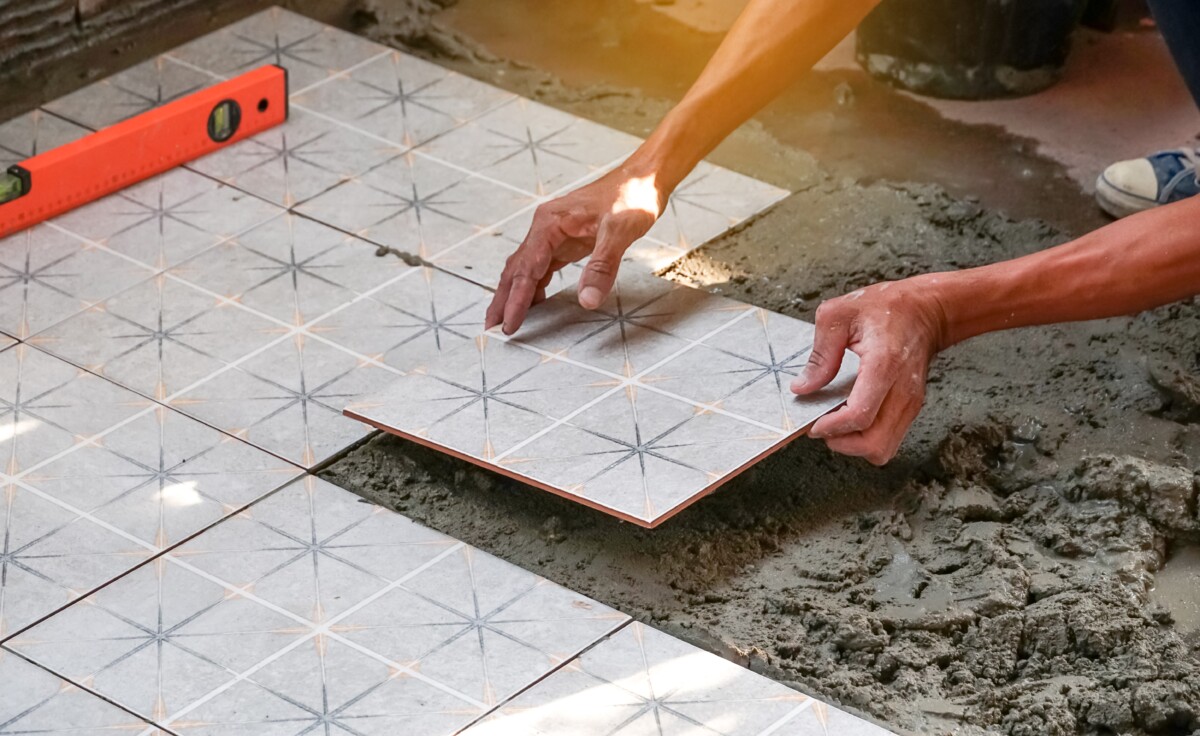
Investing in materials that enhance both form and function is key when selecting flooring. The right choice not only elevates the aesthetic of your home but also meets the practical demands of each space. Whether prioritizing durability, ease of maintenance, or design, the materials you choose should complement your lifestyle while adding long-term value.
“Flooring is the foundation of a luxurious home, so invest in materials that elevate both form and function.” Engin Uyan of Floor Masters says. “Engineered hardwood offers timeless elegance with added stability, perfect for upscale spaces where design matters just as much as durability. For clients who want high-end aesthetics with minimal upkeep, modern luxury vinyl and porcelain tile now come in elevated finishes that rival natural materials. Ultimately, the right flooring should reflect your lifestyle without compromising on sophistication.”
Megan Wible, owner and principal designer at Salthouse And Co. suggests a few more options based on the traffic patterns in different areas of your home. “I recommend more durable options like luxury vinyl or tile for high-traffic areas and spaces prone to water exposure. Low-traffic areas may benefit from high-quality carpeting or hardwood. Aesthetically, select flooring that will fit the overall design scheme. Consider which colors and materials will complement the furniture, color palette, and textures in the space.”
Most recommended flooring options

Luxury vinyl planking
Luxury Vinyl Plank offers a versatile and durable solution for various spaces. With its realistic appearance and easy maintenance, it’s an ideal option for those seeking both style and practicality.
“When choosing flooring for your home, consider three key factors: lifestyle, budget, and maintenance. For those with busy lifestyles, Luxury Vinyl Plank (LVP) or RevWood Laminate are excellent choices – both are highly durable, easy to maintain, and more cost-effective than hardwood floors.” – Victor Topala, Owner and CEO, Atlas Flooring & Design
“In our coastal area, luxury vinyl planking is my go-to flooring. With its incredible water resistance and durability, it provides a perfect option for those living in a humid climate or those close to the water. LVP offers a wide variety of plank sizes, colors, edge profiles, and thicknesses that mimic the look of hardwood without the worry of having to protect your floors. It is a wonderful option for those with kids and pets, but even allows you to move furniture more effortlessly and not have to worry about shoe scuffs during your dinner parties.” – Alina Aviles, Design Center Manager, Lead Selections Coordinator, Kent Homes
“When choosing flooring, we highly recommend exploring luxury vinyl plank options. The leading brands are offering competitive pricing for durable, long-lasting floors that are hard to damage. There are also many aesthetic options, which can be very helpful. Our preferred brand is NuCore from Floor & Decor.” – D.J. Moberley, President, Inspired Home Building

Hardwood
“From natural solid hardwood to engineered hardwood flooring, to porcelain tiles and even luxury vinyl tile, you can now achieve a natural hardwood look in numerous ways that can meet any budget. Today’s faux hardwoods, constructed from vinyl and porcelain, are often mistaken for natural wood.
If you are on a tight budget, have pets and children, and would prefer a noise-reducing material, or if your area is located on a lower level, vinyl would be a wise choice. Depending on the species of wood, natural solid hardwood can be the most costly and beautiful, but it will require maintenance through the years and will easily show natural wear and tear. Engineered hardwood flooring is typically less expensive than natural solid wood and allows more stability, less warping, or cracking, particularly with wide planks and or in wet areas.
Porcelain tiles designed to appear like hardwood are a nice choice for a bathroom, entryway or a high-traffic area where you prefer to have less maintenance. Porcelain will, however, be colder and louder than your other materials. Even if you don’t choose natural hardwood flooring, there are many routes you can take to achieve that look.” – Maria Galiani, Galiani Design Group
“When it comes to selecting flooring for a home, hardwood is always a classic with the richness and warmth it brings to a home. We have noticed that wide plank white oak flooring is a popular trending selection. Hardwood can be a bit pricey, but engineered hardwood is a budget-friendly option that delivers the same classic look, durability, and brings more value to a home.” – Logan Mason, River City Custom Homes
“Choosing the right flooring for a custom home in Virginia means balancing durability, aesthetics, and regional charm. Homeowners in the area often turn to native hardwoods like oak, hickory, and maple, which are not only beautiful but also widely available locally. Oak is known for its warm tones and classic grain, hickory offers a rugged, high-contrast look ideal for rustic designs, and maple provides a sleek, contemporary finish. Selecting the right hardwood can enhance a home’s long-term value while capturing the natural essence of the region.” – Dan Spear, Spear Builders of Virginia